What are marine cover systems and what are their main functions?
Definition and Overview of Marine Cover Systems
Marine cover systems are protective structures designed to shield essential ship components, cargo areas, and onboard facilities from environmental exposure such as water, sunlight, dust, and corrosive marine atmospheres. These systems can include hatches, enclosures, panel coverings, and sealing structures used across multiple vessel sections. The design and material selection for marine cover systems are based on the demanding operational environments of ships, including exposure to saltwater, humidity, mechanical vibration, and temperature variations. Jiangsu Shenkai Marine Equipment Co., Ltd. integrates these systems as part of its comprehensive marine product portfolio, ensuring functionality and reliability within maritime and offshore applications. By leveraging technological innovation and strict quality control, the company ensures that each cover system meets international standards for safety and performance, supporting vessels operating under diverse climatic and operational conditions.
Structural Composition of Marine Cover Systems
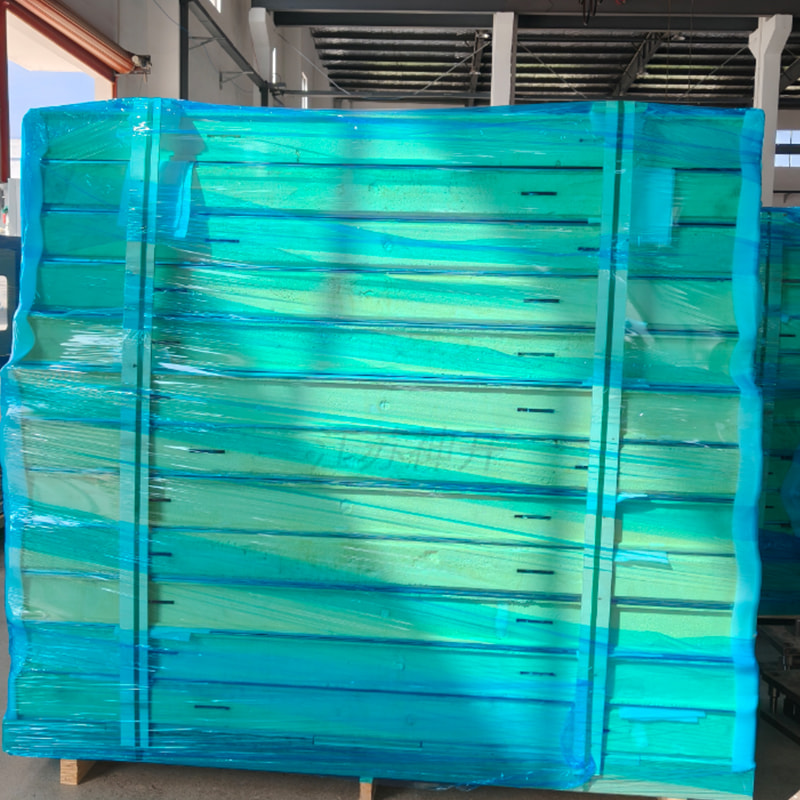
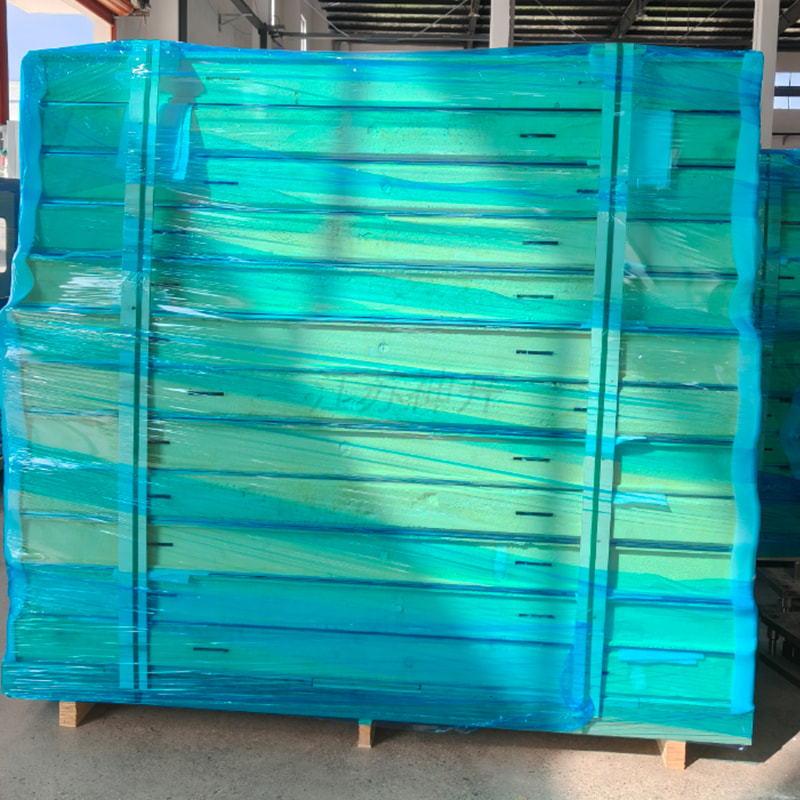
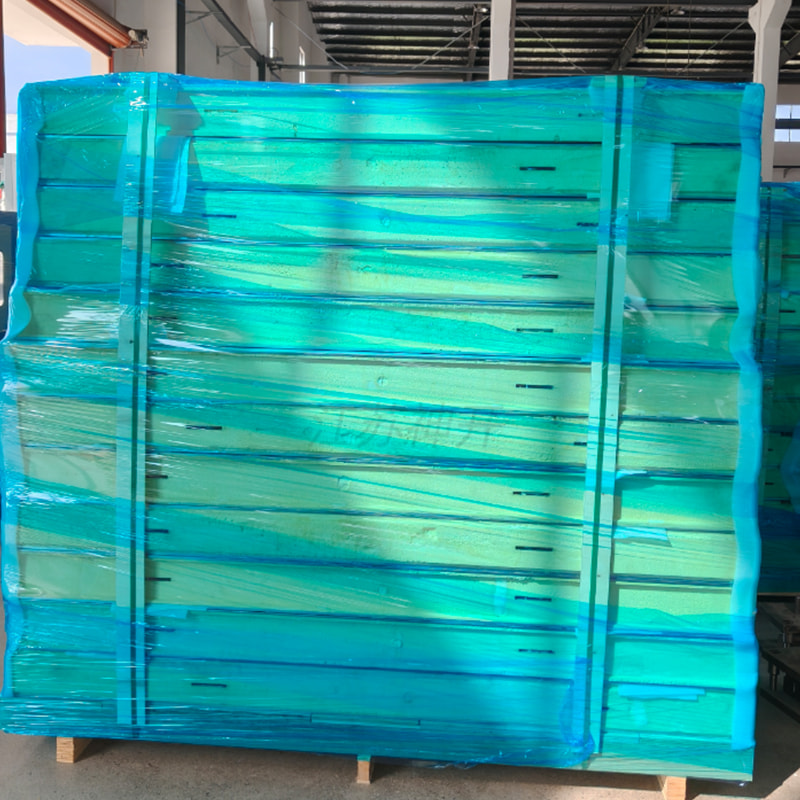
The structure of a marine cover system consists of several integrated elements: the frame, sealing components, insulation layers, and surface finishes. The frame provides the main mechanical strength, typically fabricated from marine-grade steel, aluminum alloy, or composite panels. Sealing materials, such as rubber gaskets and polymeric adhesives, prevent water and air leakage, maintaining interior integrity even under high pressure or dynamic motion. Insulation layers, often using fire-resistant or thermally protective materials, contribute to maintaining temperature stability in enclosed compartments. The surface finishes are treated with anti-corrosive coatings or paints that extend the service life of the cover. Jiangsu Shenkai Marine Equipment Co., Ltd. utilizes precision engineering in the fabrication process to ensure tight tolerances and consistent performance across each component, meeting the structural and operational standards required by marine classification societies.
Main Functional Roles of Marine Cover Systems
The primary functions of marine cover systems encompass protection, containment, safety, and environmental regulation. They act as barriers against water ingress, safeguarding sensitive equipment, cargo, and storage compartments from corrosion and mechanical damage. These covers also contribute to maintaining controlled environments in refrigerated storage areas and ventilation ducts, essential for food preservation and crew comfort. Additionally, cover systems play a critical role in fire safety by isolating hazardous zones and slowing the spread of heat and smoke. In combination with other structural components, they enhance vessel stability by reducing exposure-related deterioration. Jiangsu Shenkai Marine Equipment Co., Ltd. designs its marine cover systems to integrate with other onboard systems, such as marine prefabricated cold storage and ventilation networks, to deliver a cohesive and reliable marine solution.
Material Characteristics and Selection Standards
Materials used in marine cover systems must meet rigorous durability, corrosion resistance, and flame retardancy requirements. Common materials include stainless steel, galvanized steel, aluminum-magnesium alloys, and fiber-reinforced composites. Each material is selected based on its specific application environment and weight considerations. For instance, lightweight composite panels are favored in upper deck structures to reduce the ship’s overall mass, while heavy-duty steel is applied in engine room covers for enhanced protection. Jiangsu Shenkai Marine Equipment Co., Ltd. adopts materials that comply with the standards of marine classification societies such as CCS, DNV, and ABS. This adherence guarantees that each cover can endure prolonged exposure to harsh marine conditions while maintaining structural integrity and appearance. The table below outlines several commonly used materials and their typical performance characteristics.
| Material Type |
Main Properties |
Common Application Area |
| Stainless Steel |
Corrosion resistance, mechanical strength |
Engine covers, watertight compartments |
| Aluminum Alloy |
Lightweight, moderate corrosion resistance |
Deck covers, ventilation ducts |
| Composite Panels |
Fire retardant, thermally insulated |
Interior partitions, cold storage |
| Galvanized Steel |
Affordable, protective zinc coating |
Exterior covers, cargo compartments |
Waterproof and Sealing Functions
One of the essential functions of marine cover systems is to ensure watertight and airtight performance. The sealing systems use durable gaskets, compression locks, and precision-machined interfaces that prevent water penetration even under fluctuating pressure conditions. In critical zones such as cargo holds and machinery spaces, these sealing features are designed to withstand continuous exposure to moisture and vibration. Jiangsu Shenkai Marine Equipment Co., Ltd. employs advanced sealing materials resistant to saltwater and oil contamination, ensuring long-term stability. Additionally, rigorous testing procedures—such as hydrostatic pressure and spray resistance tests—are conducted to verify sealing efficiency before installation. Maintaining the sealing integrity over time is crucial for preventing corrosion, mold, and mechanical damage within internal compartments.
Fire and Thermal Protection Capabilities
Marine environments require strict fire safety measures due to the confined nature of vessels and the proximity of combustible materials. Marine cover systems designed by Jiangsu Shenkai Marine Equipment Co., Ltd. incorporate fire-resistant materials and insulation layers that slow heat transfer and inhibit flame spread. These covers are often tested in compliance with IMO Fire Test Procedures Code (FTP Code) to ensure adherence to international fire safety standards. In addition to flame resistance, the insulation properties also help maintain temperature control in refrigerated storage or engine compartments. This dual function contributes to both safety and energy efficiency. The combination of fireproof composite panels and insulated metal structures provides effective protection against both fire hazards and thermal loss, ensuring stable internal conditions during operation.
Noise and Vibration Reduction Features
Noise and vibration control are critical in improving onboard comfort and maintaining mechanical stability. Marine cover systems serve as barriers that reduce the transmission of sound and vibration between compartments. Jiangsu Shenkai Marine Equipment Co., Ltd. integrates sound-absorbing materials and vibration-damping structures into its cover designs to minimize noise from engines, ventilation systems, and cargo operations. Composite panels with layered insulation provide both structural strength and acoustic control. Reducing vibration not only enhances the working environment for crew members but also prolongs the lifespan of mechanical and electrical components by reducing fatigue-induced wear. Properly engineered cover systems contribute significantly to vessel habitability and long-term operational reliability.
Integration with Other Marine Systems
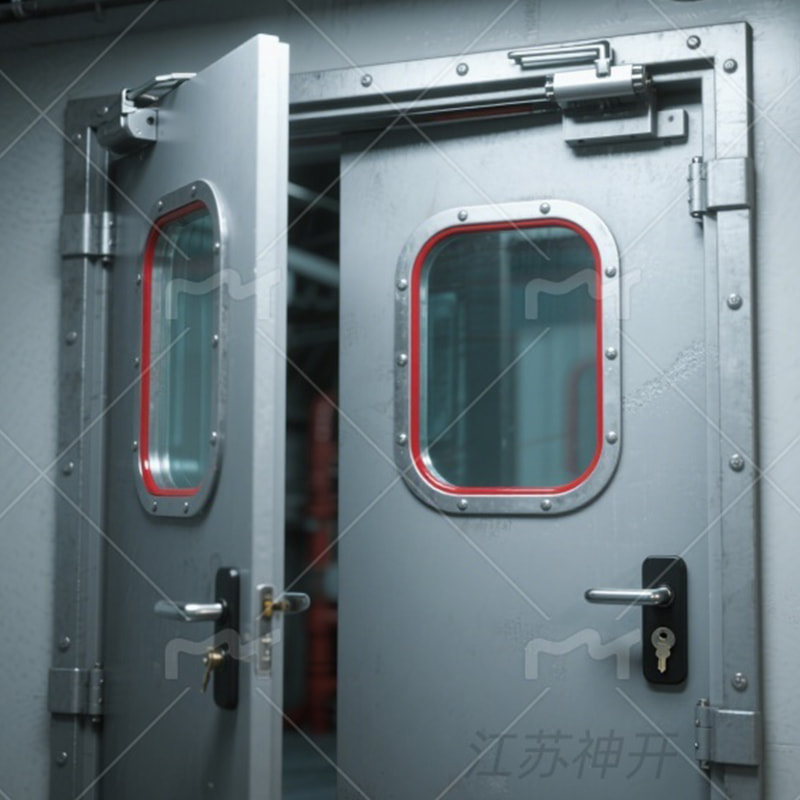
Marine cover systems do not function independently but rather form part of an integrated ship infrastructure that includes ventilation, insulation, and safety systems. For instance, in marine prefabricated cold storage designed by Jiangsu Shenkai Marine Equipment Co., Ltd., cover panels work in conjunction with insulation materials and air circulation systems to maintain low temperatures. Similarly, in ventilation duct systems, covers are used to access internal ducts for inspection and maintenance while preventing leaks and condensation. The seamless integration of cover systems with marine composite panels, interior partitions, and fire doors ensures that all structural and environmental control requirements are fulfilled. This integrated approach simplifies installation and maintenance, while also improving operational efficiency.
Manufacturing Process and Quality Assurance
The production of marine cover systems involves multiple precision processes, including material cutting, surface treatment, welding, assembly, and finishing. Jiangsu Shenkai Marine Equipment Co., Ltd. maintains stringent quality control at every stage, supported by experienced technicians and advanced production equipment. Each component undergoes dimensional inspection, non-destructive testing, and functional verification before delivery. The company follows ISO-compliant quality management procedures to ensure product consistency and traceability. Annual production capacity includes approximately 300 sets of marine cold storage panels, along with the manufacturing and servicing of ventilation ducts and interior modules, reflecting a robust production system capable of meeting customized project demands. Through continuous improvement, the company ensures that all marine cover systems meet both domestic and international quality benchmarks.
Maintenance and Service Considerations
Routine inspection and maintenance of marine cover systems are essential to preserve their protective functions and extend service life. Operators are advised to check for corrosion, seal degradation, loose fasteners, and coating wear. Periodic cleaning with appropriate marine-grade solutions prevents salt accumulation and material deterioration. Jiangsu Shenkai Marine Equipment Co., Ltd. provides post-delivery technical support and servicing, ensuring that replacement parts and maintenance assistance are available throughout the product’s lifecycle. The company’s experienced service team assists clients with system upgrades, repair works, and performance assessments, ensuring sustained reliability even under high-intensity maritime operations. Adhering to maintenance protocols helps maintain efficiency and safety across all marine cover applications.
Applications of Marine Cover Systems in Modern Ships
Marine cover systems are applied in various shipboard locations, including engine rooms, cargo holds, accommodation areas, and refrigerated compartments. Their versatility allows for adaptation to diverse vessel types such as cargo ships, offshore platforms, and passenger ferries. In each case, the cover system serves as an integral component of the overall ship design, providing environmental separation, safety, and mechanical support. Jiangsu Shenkai Marine Equipment Co., Ltd. customizes its cover solutions to meet different vessel configurations, taking into account operational temperature ranges, space limitations, and load requirements. The flexibility in design and material selection ensures compatibility with both new builds and retrofit projects, supporting shipyards and marine operators in achieving durable and efficient vessel structures.
Comparison of Marine Cover System Types
There are several types of marine cover systems, each suited for specific applications depending on environmental conditions, space, and functionality. The table below illustrates a comparative overview of key types and their characteristics.
| Cover Type |
Main Function |
Material Composition |
Typical Application |
| Watertight Hatch Cover |
Prevents water ingress into cargo or machinery spaces |
Steel or aluminum with gasket sealing |
Cargo decks, storage compartments |
| Fireproof Cover Panel |
Contains fire and reduces heat transmission |
Composite materials with fire-resistant core |
Engine rooms, control areas |
| Insulated Panel Cover |
Maintains thermal stability and prevents condensation |
Sandwich composite or insulated steel |
Cold storage compartments |
| Ventilation Access Cover |
Provides access for duct maintenance and cleaning |
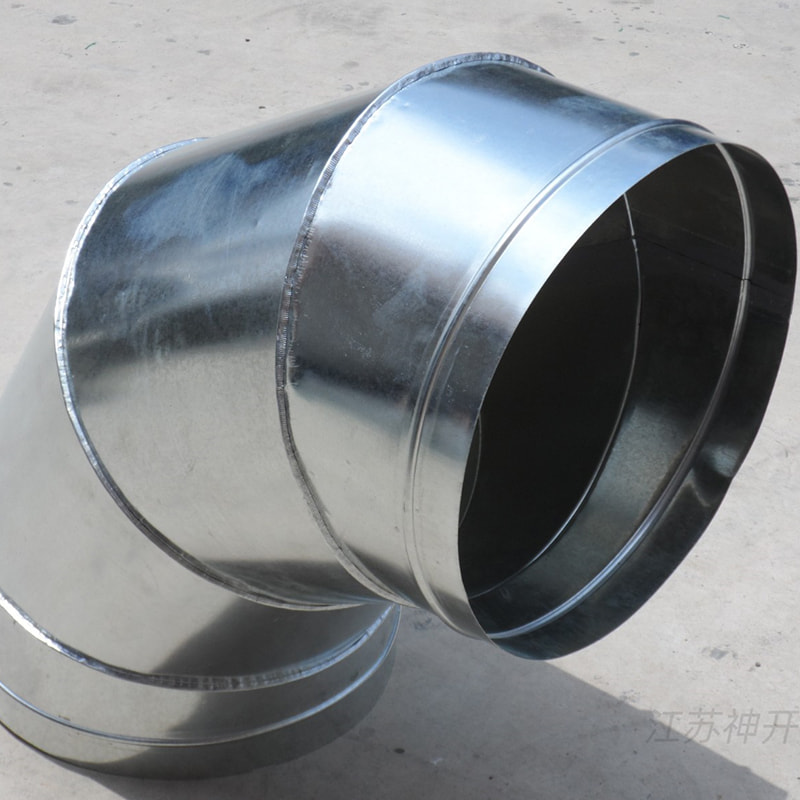
Lightweight aluminum or galvanized steel |
Ventilation and air handling systems |
Safety and Compliance Standards
Marine cover systems must comply with a variety of safety and certification requirements to ensure suitability for maritime applications. These include watertight integrity tests, flame spread classification, impact resistance, and anti-corrosion evaluations. Jiangsu Shenkai Marine Equipment Co., Ltd. ensures all products meet relevant standards set by organizations such as the International Maritime Organization (IMO) and marine classification societies. Compliance testing ensures that covers can endure operational stress and environmental exposure without loss of function. This dedication to safety and performance enables shipbuilders and operators to maintain consistent operational reliability and crew safety during extended voyages.
Why are marine composite panels preferred over traditional wood in shipbuilding?
Definition and Composition of Marine Composite Panels
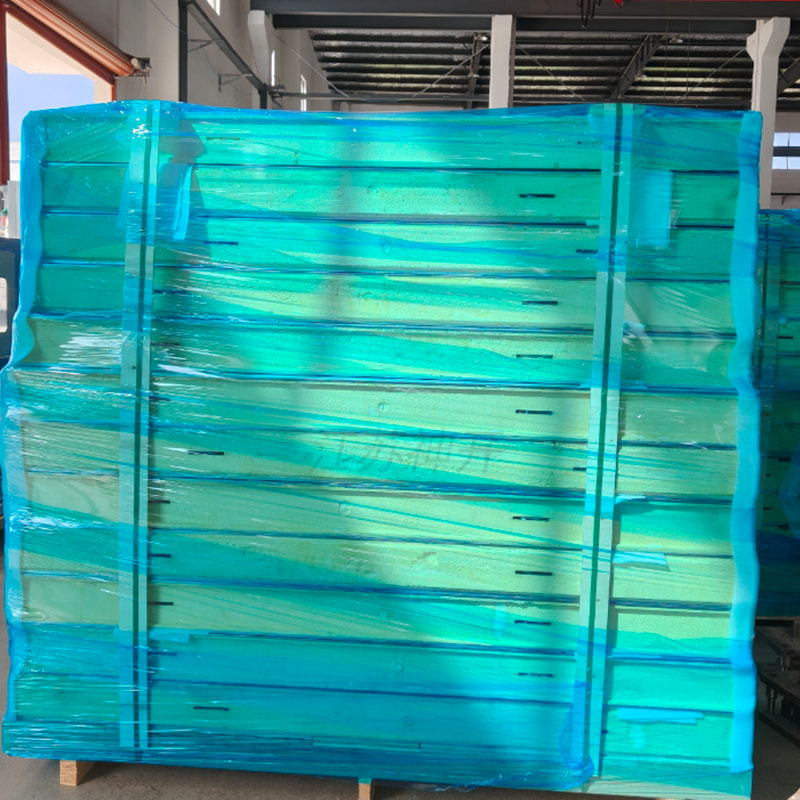
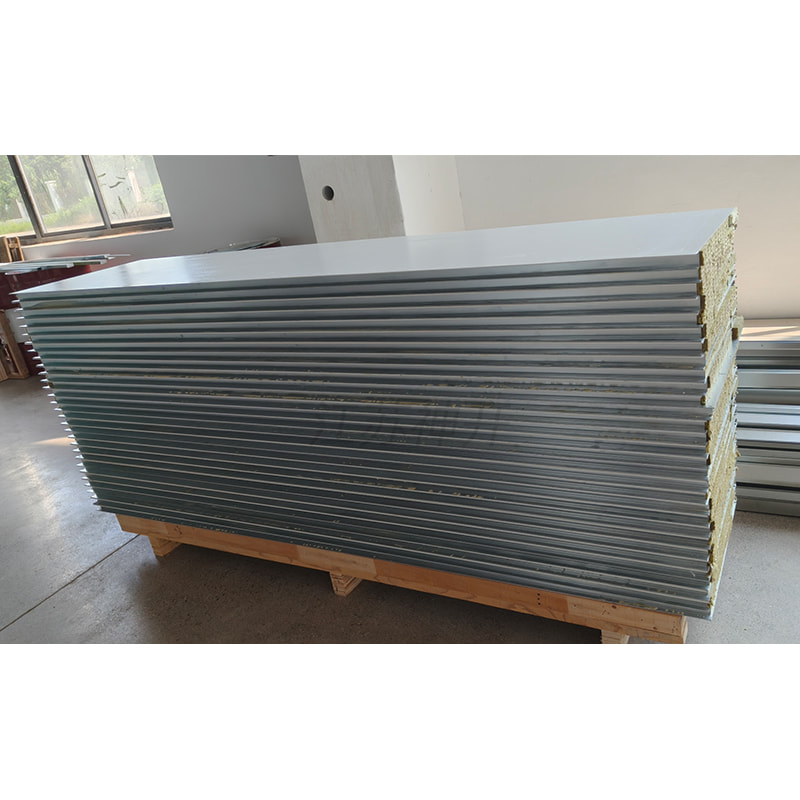
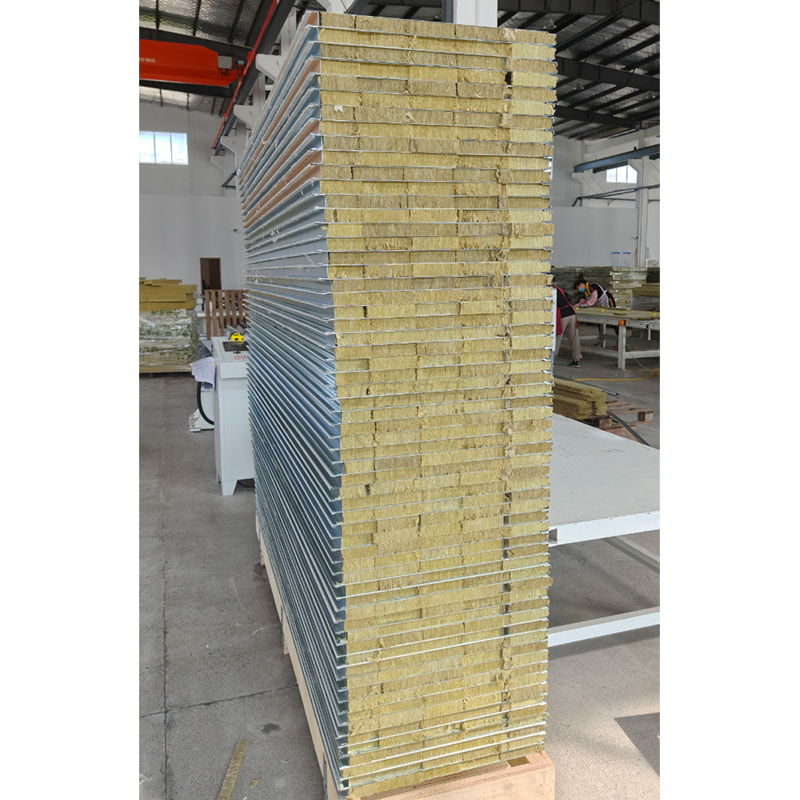
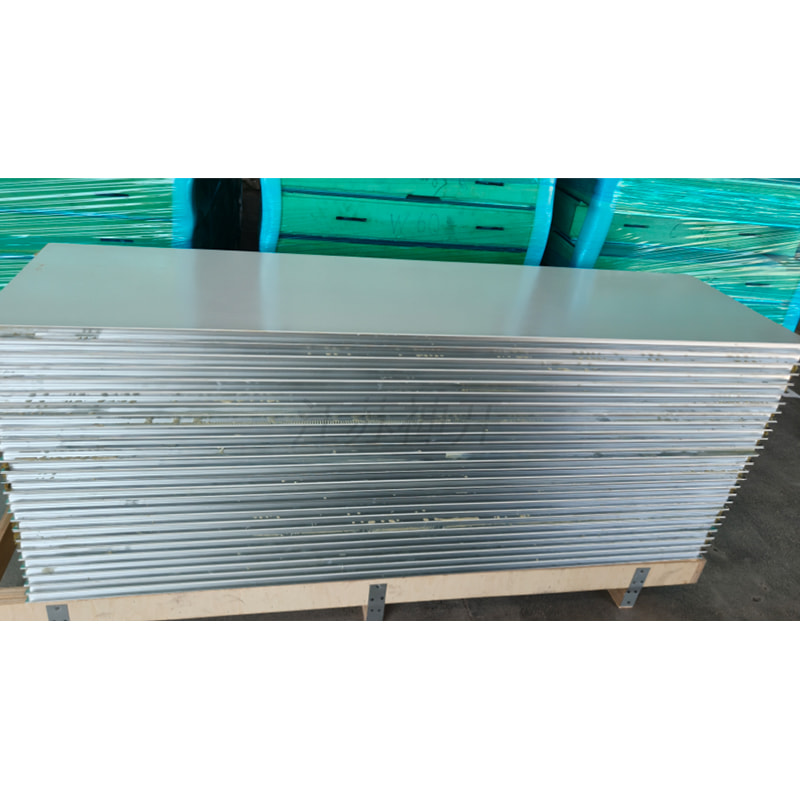
Marine composite panels are engineered materials designed for shipbuilding and marine structures. They are typically composed of multiple layers that include core materials such as aluminum honeycomb, foam, or mineral-filled panels, bonded with fiber-reinforced polymer skins. These composite structures are developed to withstand the unique environmental and structural challenges of marine applications, including constant exposure to moisture, saltwater, and varying temperatures. Unlike traditional wood panels, composite panels provide enhanced resistance to warping, corrosion, and biological decay, which makes them particularly suitable for long-term use in marine environments.
Comparison Between Marine Composite Panels and Traditional Wood
In the context of shipbuilding, wood was historically used for its availability, flexibility, and ease of construction. However, as modern ships have evolved toward greater efficiency and durability, composite panels have increasingly replaced wood due to their improved physical and chemical stability. The comparison between the two materials can be summarized through several factors including weight, maintenance requirements, lifespan, and environmental performance.
| Aspect |
Traditional Wood |
Marine Composite Panels |
| Weight |
Relatively heavy and moisture-sensitive |
Lightweight and dimensionally stable |
| Durability |
Prone to rot, warping, and decay |
Resistant to corrosion, moisture, and impact |
| Maintenance |
Requires regular sealing and varnishing |
Minimal maintenance needed |
| Fire Resistance |
Low resistance; requires chemical treatment |
High fire performance through composite layers |
| Cost Efficiency |
Lower initial cost but higher lifetime maintenance |
Higher initial cost with reduced lifetime expense |
Structural Advantages in Modern Shipbuilding
One of the key reasons marine composite panels are preferred over wood lies in their structural integrity. Composite panels can be engineered to meet specific mechanical properties, including high stiffness-to-weight ratios, which contribute to greater fuel efficiency and design flexibility. This allows shipbuilders to reduce overall weight while maintaining necessary strength and rigidity. In contrast, wood’s mechanical performance is limited by natural inconsistencies such as grain direction, moisture absorption, and fiber density. Marine composite panels provide uniformity in mechanical behavior, ensuring predictable performance under different stress conditions.
Resistance to Marine Environmental Challenges
Marine environments are particularly harsh, with continuous exposure to saltwater, humidity, and temperature fluctuations. Traditional wood materials tend to absorb water over time, leading to swelling, deformation, and microbial decay. Marine composite panels, on the other hand, are designed with non-porous and corrosion-resistant surfaces that prevent moisture penetration and degradation. This advantage significantly extends their service life, especially for structural applications such as bulkheads, partitions, ceilings, and deck panels on ships.
Fire Safety and Thermal Insulation Properties
Fire safety is an essential consideration in marine design. Marine composite panels are often produced to meet international fire classification standards such as IMO FTP Code Part 2 and Part 5. They possess high fire resistance due to the inclusion of mineral cores and flame-retardant resins. Wood materials, even when treated, can release smoke and toxic gases during combustion. Composite panels can be tailored to reduce smoke generation and improve insulation, providing safer conditions for marine personnel. Furthermore, composite structures exhibit better thermal insulation, reducing energy consumption for temperature control inside cabins and storage compartments.
Ease of Fabrication and Installation
Composite panels are pre-engineered and modular, which facilitates easy fabrication and installation. They can be cut, shaped, and joined using standardized fittings and adhesives, minimizing labor requirements during assembly. In contrast, wood requires precise carpentry, joint sealing, and finishing treatments to achieve similar structural quality. This efficiency aligns with modern shipyard practices that emphasize prefabrication and modular construction. Jiangsu Shenkai Marine Equipment Co., Ltd. integrates these advanced fabrication methods into its production of marine composite panels, ensuring consistency and accuracy for large-scale shipbuilding projects.
Weight Reduction and Energy Efficiency
Reducing vessel weight is a primary objective in marine engineering, as it directly impacts fuel efficiency and operational cost. Marine composite panels contribute to significant weight savings compared to wooden panels. The low density of composite cores allows ship designers to construct lighter superstructures without compromising safety or stability. A lighter ship requires less propulsion power, leading to reduced fuel consumption and emissions. This aligns with international maritime energy efficiency standards and supports sustainable ship design practices.
Acoustic and Vibration Damping Properties
Noise and vibration control is an important factor for crew comfort and equipment protection. Marine composite panels offer effective acoustic insulation due to their multi-layered construction. The inclusion of foam or honeycomb cores helps absorb and dampen vibrations transmitted through the ship’s structure. Wooden panels, while naturally absorbent, cannot achieve the same consistency in damping performance over time, especially when exposed to moisture. The composite panel’s structure allows customization for specific noise reduction requirements, making them ideal for accommodation areas and control rooms.
Longevity and Lifecycle Cost Benefits
The initial investment in marine composite panels may be higher than traditional wood, but their extended service life and low maintenance costs make them economically advantageous over time. Wood-based structures require frequent repainting, sealing, and inspection to prevent deterioration. Composite materials, by contrast, maintain their structural integrity and surface quality with minimal intervention. For shipowners and operators, this translates into lower downtime, fewer replacements, and reduced maintenance expenditure. Jiangsu Shenkai Marine Equipment Co., Ltd. emphasizes this lifecycle value by providing durable and easily serviceable composite panel systems tailored for marine applications.
| Evaluation Criteria |
Wood Panels |
Composite Panels |
| Service Life |
5–10 years with regular maintenance |
20+ years with minimal upkeep |
| Corrosion Resistance |
Low, prone to biological attack |
High, unaffected by moisture |
| Installation Speed |
Moderate, manual carpentry required |
Fast, modular assembly system |
| Sound Insulation |
Medium |
High |
| Thermal Efficiency |
Limited |
Superior |
Environmental Sustainability and Resource Efficiency
While wood is renewable, its use in marine construction requires extensive chemical treatment to withstand sea conditions, which can introduce pollutants into marine ecosystems. Composite panels, though synthetic, can be engineered with recyclable components and environmentally friendly resins. The ability to manufacture panels in precise quantities also minimizes waste during production. Jiangsu Shenkai Marine Equipment Co., Ltd. has implemented sustainable manufacturing practices, such as optimizing raw material utilization and improving production efficiency, to reduce the environmental footprint of its marine composite panel systems.
Integration with Other Marine Systems
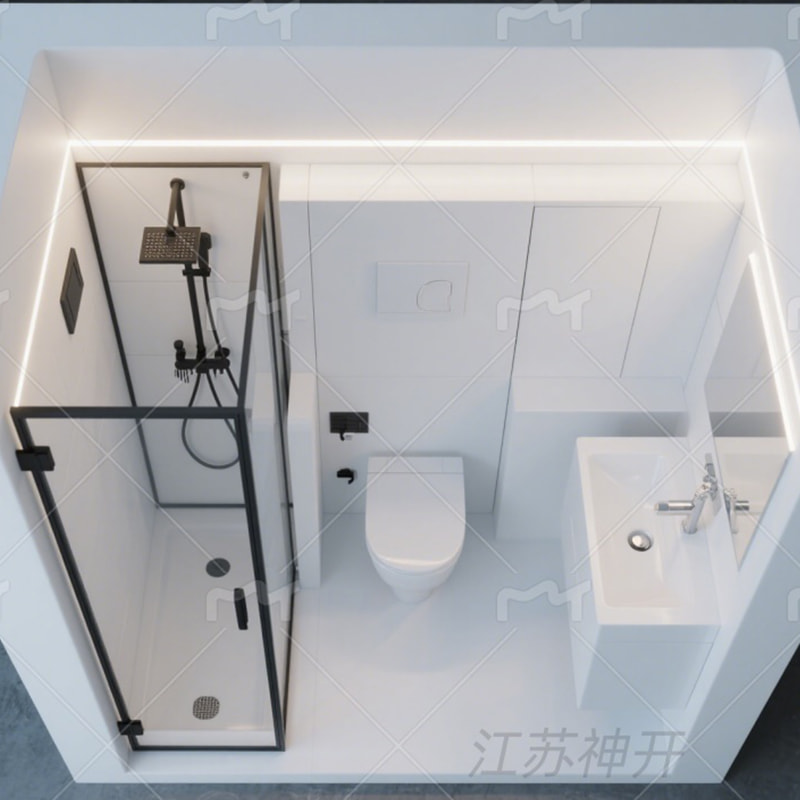
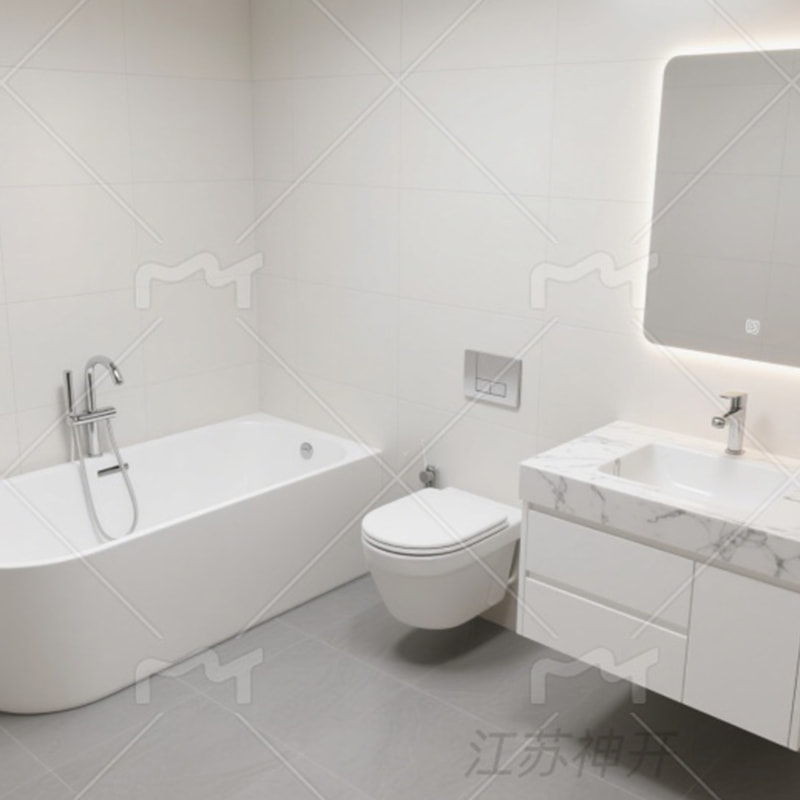
Marine composite panels are designed to integrate seamlessly with other ship systems, including ventilation ducts, insulation materials, and fire barriers. Their modular design allows easy coordination with prefabricated cabin structures, sanitary units, and electrical systems. Jiangsu Shenkai Marine Equipment Co., Ltd. specializes in providing holistic marine interior solutions that incorporate composite panels, fire doors, and ventilation ducts into a unified system. This approach simplifies project management for shipyards and ensures compliance with marine engineering standards.
Compliance with Marine Engineering Standards
Compliance with international standards is essential in marine product manufacturing. Marine composite panels developed by Jiangsu Shenkai Marine Equipment Co., Ltd. conform to the requirements of ship classification societies such as CCS, DNV, and ABS. These standards ensure that products meet the necessary safety, strength, and environmental protection parameters. Compared to traditional wooden structures, composite panels achieve higher consistency in performance testing and documentation, providing shipbuilders with reliable materials that streamline certification processes.
Customization and Aesthetic Flexibility
Beyond performance, modern shipbuilding emphasizes design flexibility and aesthetic appeal. Composite panels offer a wide range of finishes, colors, and textures that can mimic natural materials like wood or metal while providing improved durability. This enables designers to achieve the desired interior ambiance without compromising safety or longevity. The ability to tailor composite materials to meet both functional and decorative needs gives shipyards greater creative freedom than traditional wood construction allows.
Future Trends in Marine Material Innovation
As shipbuilding continues to evolve, the demand for materials that provide higher efficiency, lower emissions, and better safety is increasing. Marine composite panels are expected to become the standard for modern ship interiors and structural applications due to their balance of performance and sustainability. Future developments may include bio-based resins, nanocomposite reinforcement, and improved recyclability. Companies like Jiangsu Shenkai Marine Equipment Co., Ltd. are expected to play a key role in advancing this material evolution, leveraging innovation to meet the growing challenges of global marine engineering.



 da
da